
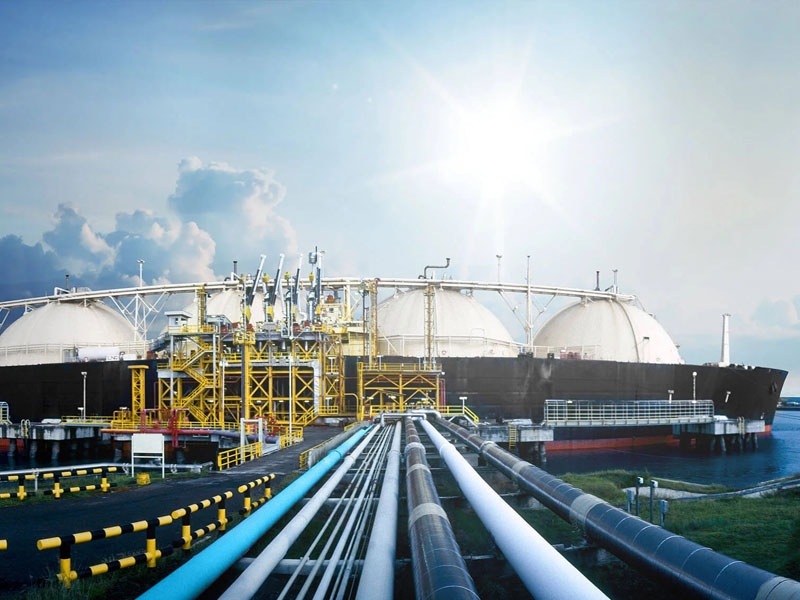
Liquefied Natural Gas (LNG) & Liquified Petroleum Gas (LPG)
Liquefied Natural Gas (LNG) and Liquefied Petroleum Gas (LPG) are two types of gas that are often used as energy sources. Still, they have differences in composition, use, and storage methods.
Liquefied Natural Gas (LNG)
- Composition: LNG consists mostly of methane (CH₄).
- Uses: LNG is generally used for electricity generation, heating, and as fuel for heavy vehicles and ships.
- Storage and Transportation: LNG is stored in cryogenic tanks specially designed to maintain extremely low temperatures.
Advantages of using LNG:
- Energy Efficiency: LNG has a high heating value, which makes it very efficient for power generation and vehicle fuel.
- Abundant Natural Gas Reserves: Available in large quantities and expected to remain available for a long time.
- Safety: LNG is non-toxic and non-corrosive, so it is safer in terms of handling and transportation compared to other fossil fuels.
Disadvantages of using LNG:
- Expensive Infrastructure: Storage and transportation of LNG requires expensive and complex cryogenic infrastructure.
- Energy Requirements for Regasification: LNG must be regasified back into gas form before use, which requires additional energy.
- Fire Risk: Although non-toxic, LNG is still flammable, so there is a risk of fire if a leak occurs.
Liquefied Petroleum Gas (LPG)
- Composition: LPG is a mixture of propane (C₃H₈) and butane (C₄H₁₀).
- Use: LPG is widely used for household purposes (such as cooking), heating, and vehicle fuel.
- Storage and Transportation: LPG is stored in tanks or cylinders at medium pressure which is lower than LNG cryogenic tanks.
Advantages of using LPG:
- Flexibility of Use: LPG can be used for a variety of applications, from household heating to vehicle fuel.
- Easy Storage and Transportation: LPG can be stored and transported easily in medium-pressure cylinders or tanks.
- Combustion Efficiency: LPG burns cleanly and efficiently with little residue.
- Quickly Evaporates: If a leak occurs, LPG quickly evaporates and disperses, reducing the risk of gas accumulation which could cause an explosion.
Disadvantages of Using LPG:
- Greenhouse Gas Emissions: Although cleaner than coal and oil, LPG still produces CO₂ emissions that contribute to climate change.
- Limited Resources: LPG comes from petroleum refining, so it depends on the availability of petroleum.
- Risk of Fire and Explosion: LPG is flammable and can cause an explosion if a leak occurs in an enclosed space.
- Cost: LPG prices can fluctuate depending on global petroleum prices, which can affect costs for consumers.
Both types of gas provide clean and efficient energy solutions, but the choice between them depends on specific needs, infrastructure, and application.